
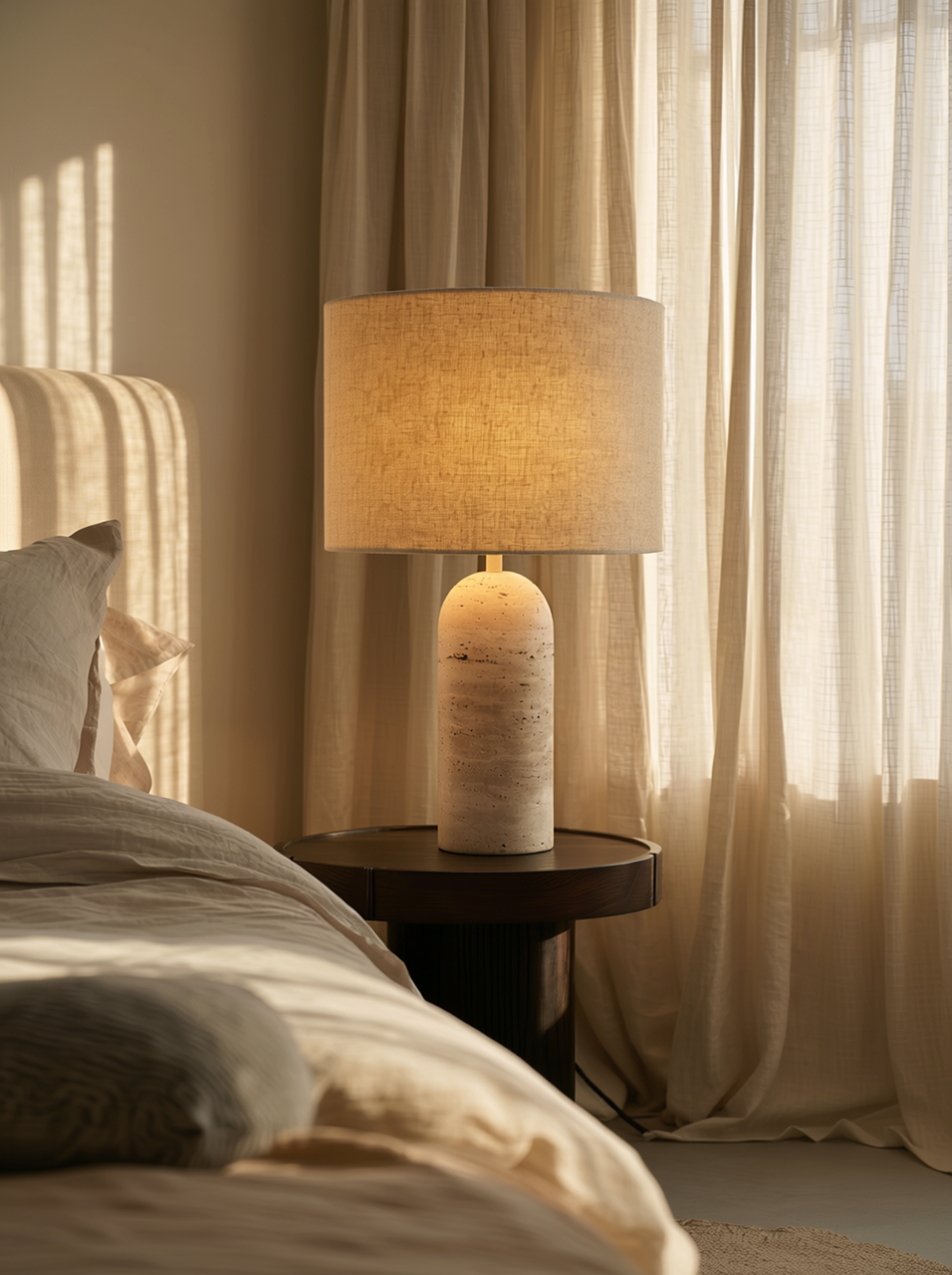
At 8:00 PM, your body should be slowing down. Melatonin should be rising. Your brain should be preparing for rest.
But if your home is filled with bright white or blue-toned light, your brain can interpret that signal as midday. The result is alertness when you should be winding down.
Lighting is not just visual. It is biological. The colour and intensity of light directly affect your mood, stress levels and sleep quality. Understanding the psychology of light allows you to design your home in a way that supports health rather than disrupts it.
The Psychological Effects of Lighting on the Human Brain
Light regulates your circadian rhythm, the internal clock that controls sleep and wake cycles. This rhythm is heavily influenced by natural sunlight patterns.
In the morning, bright light signals alertness and focus. In the evening, lower and warmer light signals the body to produce melatonin, the hormone responsible for sleep.
When artificial lighting does not match these natural patterns, the brain becomes confused. Prolonged exposure to bright, cool-toned lighting at night can:
- Delay melatonin production
- Increase alertness
- Elevate stress hormones
- Reduce sleep quality
The psychological effects of lighting are subtle but powerful. Over time, incorrect lighting can contribute to fatigue, irritability and difficulty unwinding.
How Light Colour and Wavelengths Influence Mood and Energy
Light is made up of different wavelengths. Each colour corresponds to a specific wavelength range.
Shorter wavelengths, such as blue light, are stimulating. They enhance alertness and concentration. This is why daylight feels energising.
Longer wavelengths, such as amber, red and warm yellow tones, are calming. They align more closely with sunset light.
Here is how different colours influence mood:
- Cool white and blue light promote focus and mental clarity
- Neutral white light balances visibility and comfort
- Warm white light promotes relaxation
- Amber and red tones support calm and reduced stimulation
The key is timing. Stimulating light is beneficial during the day. Calming light is essential at night.
Why Blue and White Light Disrupt Sleep After Dark
Blue light has a direct effect on melatonin suppression. Research shows that exposure to high-intensity blue wavelengths in the evening can significantly delay sleep onset.
Common sources of blue light include:
- Phones and tablets
- Televisions
- Bright white LED lighting above 4000K
Cool white LED lighting mimics midday sunlight. In the evening, this signals the brain to stay alert.
This does not mean cool white lighting is bad. It simply needs to be used at the correct time. During the day, it enhances productivity. After sunset, it can interfere with the body’s natural transition to rest.
Lighting Colours and How They Can Relate to Melatonin Production
Melatonin production increases in darkness and under warm, low-intensity light. When lighting shifts toward longer wavelengths, such as amber or soft yellow, the body begins preparing for sleep.
Bio-centric lighting approaches aim to replicate natural sunlight patterns indoors. That means:
- Bright, neutral or cool light in the morning
- Gradually warmer and softer light in the evening
Amber and red tones have minimal impact on melatonin suppression. This makes them ideal for night-time spaces such as bedrooms and hallways.
Warm white lighting around 2700K to 3000K is generally supportive of evening relaxation. Lower colour temperatures create a softer visual environment that aligns with sunset tones.
How to Use Lighting to Reduce Anxiety and Promote Calm
Harsh overhead lighting can elevate stress levels. Bright, shadowless spaces feel clinical and overstimulating, especially at night.
To reduce anxiety through lighting:
- Use warm white lighting in living areas during the evening
- Introduce multiple light sources at different heights
- Avoid intense ceiling-only illumination
- Use softer shaded lamps rather than exposed bulbs
Lighting at lower levels of brightness encourages the nervous system to settle. Gentle contrast between light and shadow creates a sense of comfort rather than exposure.
In children’s bedrooms, softer and warmer lighting in the evening can support better sleep routines and reduced bedtime resistance.
Practical Ways to “Sunset” Your Home Lighting
“Sunsetting” your lighting means gradually shifting your home’s lighting tone and intensity as the evening progresses.
You can achieve this by:
- Switching from neutral white to warm white bulbs in living areas
- Using lamps instead of bright ceiling lights after sunset
- Incorporating smart lighting systems that allow colour temperature adjustment
- Reducing overall brightness levels in the evening
Start bright in the morning to support energy. Transition to softer, warmer light after dinner. Keep bedrooms and relaxation zones consistently warm in tone.
Small adjustments can have noticeable effects on sleep quality and mood stability.
Designing a Home Lighting Environment That Supports Rest and Balance
Think of lighting as part of your health environment, not just décor.
A balanced home lighting plan includes:
- Task lighting in cooler tones for workspaces
- Warm, layered lighting in relaxation zones
- Limited blue light exposure before bed
- Gradual transitions between day and night settings
Consistency matters. If your kitchen is bright and cool while your living room is warm and soft, the shift between rooms should feel intentional rather than abrupt.
Lighting that supports circadian rhythm contributes to better sleep, improved mood and increased overall wellbeing.
Improve Mood and Sleep with the Right Lighting
The wrong light at night can trick your brain into thinking it is midday. The right light can gently signal that it is time to unwind.
By understanding the psychological effects of lighting, you gain control over how your home influences your body. Use cooler tones during the day to support focus. Shift to warm, amber-toned lighting in the evening to promote calm and melatonin production.
Lighting is one of the simplest environmental changes you can make. When designed intentionally, it becomes a tool for better sleep, reduced anxiety and improved mood.
Psychological Effects of Lighting
What are the psychological effects of LED lights?
LED lights themselves are not harmful, but their colour temperature influences alertness and mood. Cool white LEDs can increase focus and energy, while warm white LEDs promote relaxation.
What color light is best for anxiety?
Warm white, amber and soft yellow tones are generally best for reducing anxiety. These colours are less stimulating and align with natural sunset light.
What color light is best for your brain?
It depends on the time of day. Blue and cool white light are beneficial for focus during the day. Warm and amber tones are better for evening use to support sleep and recovery.