
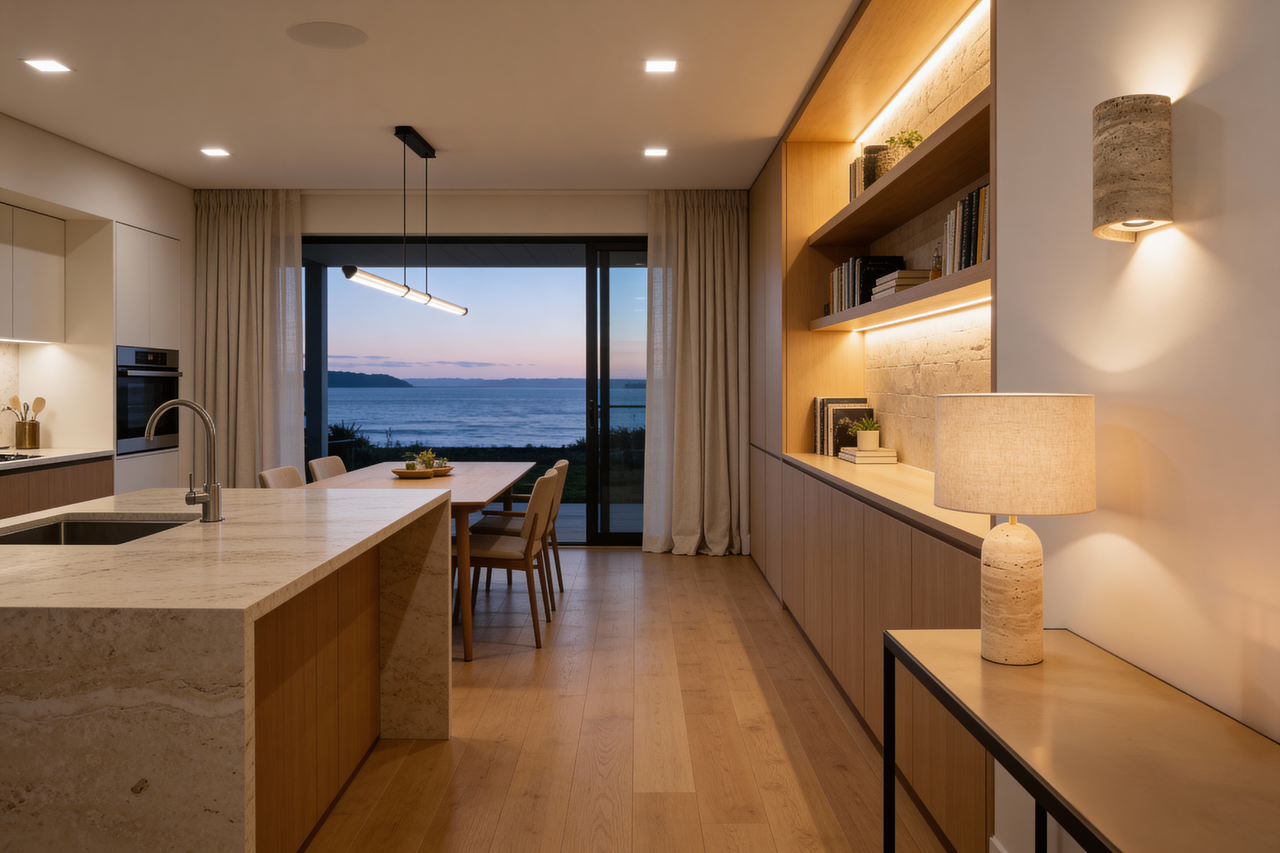
2026 Lighting Trends: A Forecast by Founder: Dean Fulford
The Kiwi home has always been a bit of a hybrid; we borrow ideas from overseas, then we toughen them up for New Zealand weather, New Zealand living, and the way we actually use our spaces. In 2026 That “practical but beautiful” mindset is only getting stronger. People still want a home that looks sharp, but they also want it to work harder, feel calmer, and cost less to run.
Lighting Direct’s Managing Director, Dean Fulford, sees the same pattern again and again: customers are not asking, “What is the trend?” They are asking, “What will still feel right in five years?” That is the real design question now, and lighting sits right in the middle of it, because it affects comfort, energy use, mood, sleep, productivity, and the way your home photographs and feels.
So what does the future of the Kiwi home look like in 2026, and what should you actually do if you are building, renovating, or even just upgrading one room at a time?
It looks warmer, softer, and more human.
Interior Lighting Trends
For a while, interiors leaned hard into cool whites, harsh downlights, shiny finishes, and everything looking “perfect” and new. In 2026, the shift is toward warmth and texture. Think so whites instead of stark whites, natural timber instead of glossy laminate, stone textures like travertine, make finishes over high shine, and fabrics that look and feel real, linen, wool, boucle, not plastic and flat.
This is not about being fancy. It is about making a home feel relaxing. Life is busy, and homes are becoming a recovery space again. That means the lighting cannot be cold or clinical. The future Kiwi home uses layered lighting, not one bright ceiling light that blasts the whole room.
The Move to Layered Lighting
Layered lighting is the new “must-have”.
Dean’s biggest advice for 2026 is simple: stop thinking about light as a single decision. Good lighting is a plan. In most homes, you want three layers.
Ambient lighting is your overall glow, this can be downlights, but also can be indirect light, wall lights, or pendants, depending on the space.
Task lighting is what helps you do the thing, kitchen bench lighting, reading lights, vanity lighting in bathrooms, office lightng.
Accent lighting is what makes a home feel designed, it highlights texture, art, shelving, plants, feature walls, and it adds depth so the room does not look flat.
When you layer these, you get control. You can have bright light when you need it, and softer light when you want to wind down. That control is what makes a house feel premium, even if the products are not. The 2026 Kiwi home is designed for mood, not just visibility.
In 2026, people are paying attention to how a space feels at 7pm, not just how it looks at midday. This is where colour temperature matters. Daylight white has its place, but the core living areas are moving toward warm, comfortable light, especially in the evenings. Bedrooms, lounges, dining spaces, and even hallways are being treated like calming zones.
A common mistake is mixing random colour temperatures through the home, the kitchen is cool, the hallway is warm, the lounge is daylight, the bathroom is blue. It feels messy, even if you cannot explain why. A future focused ligh ng plan keeps things consistent, then uses feature lighting and dimming to create different moods.
Kitchen Lighting Trends: Kitchens are becoming more social and less clinical.
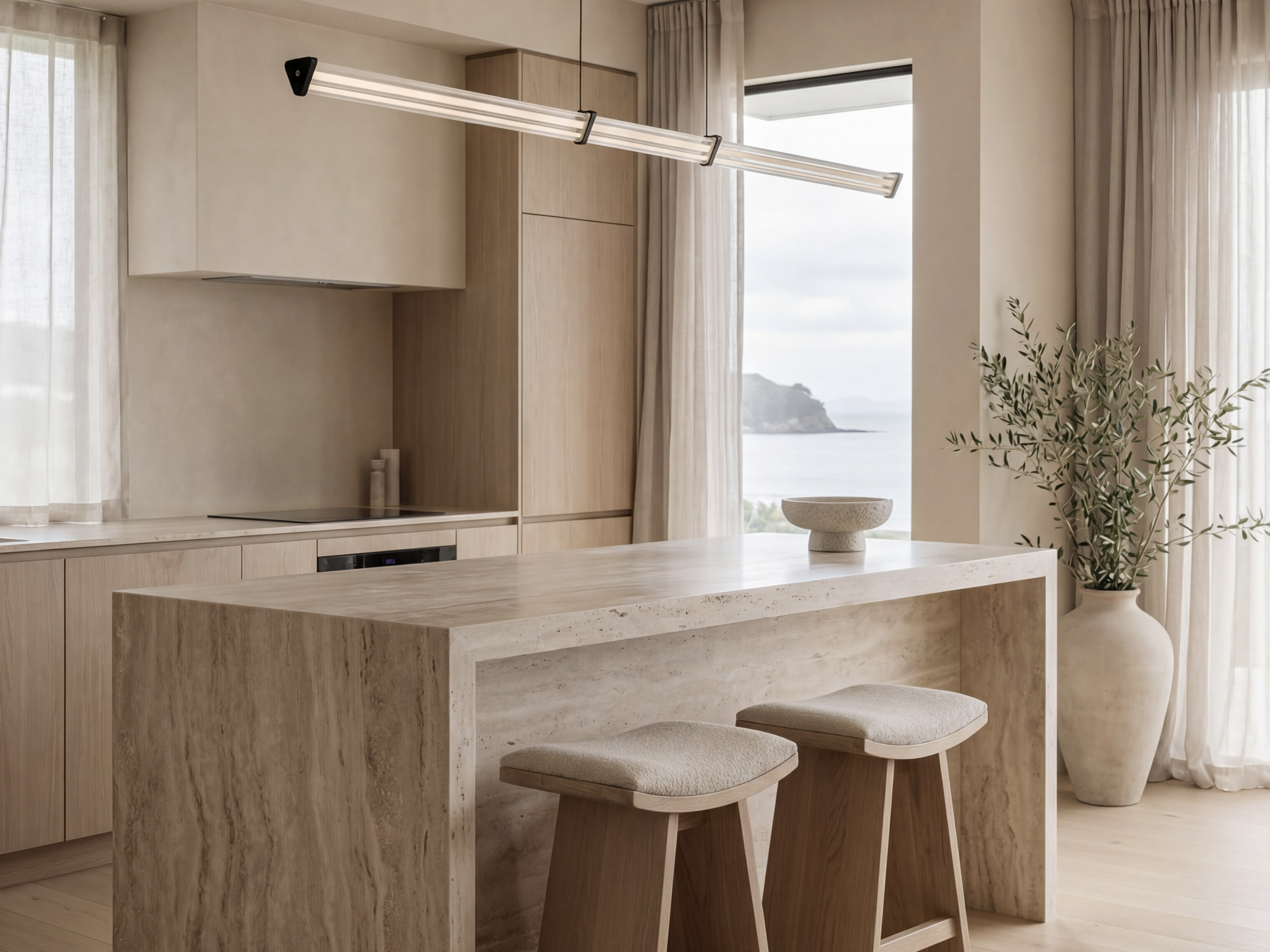
The kitchen is still the heart of the Kiwi home, but in 2026 it is less of a “work bench” and more of a social hub. Islands are bigger, stools are comfier, and people want lighting that makes the kitchen feel like part of the living space, not a separate bright zone.
That means pendants over islands are staying, but they are changing. Shapes are getting warmer, materials are getting warmer, and the light output is being balanced with functional lighting underneath. You do not want a pendant that looks amazing but leaves you chopping vegetables in shadow. The winning combo is decorative pendants for style, plus strong task lighting that actually lights the bench properly.
Bathroom Lighting: Bathrooms are moving into spa territory.
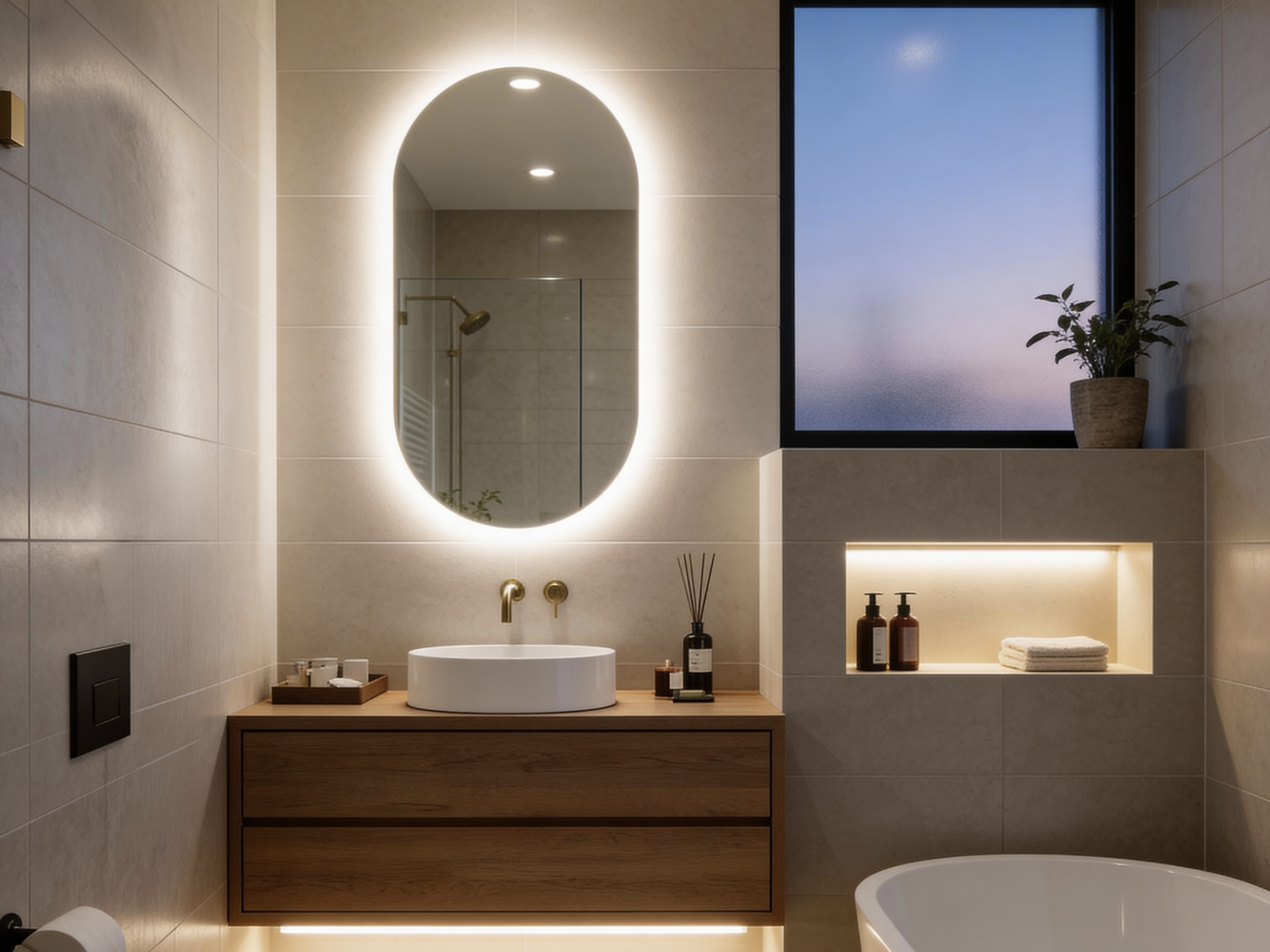
In 2026, bathrooms are less about cold brightness and more about “hotel calm”. Warmer tones, softer lighting, and better mirror lighting are key. Dean often points out that a bathroom can look expensive just by fixing the lighting around the mirror. A single downlight in the ceiling creates shadows on your face, it is the worst for shaving, makeup, or just feeling good. The future bathroom uses even, flattering light at face height, often with wall lights, backlit mirrors, or over lighting beside the mirror. It is practical, and it makes the space feel high-end without a full renovation.
Bedroom Lighting Trends: Bedrooms are becoming recovery rooms.
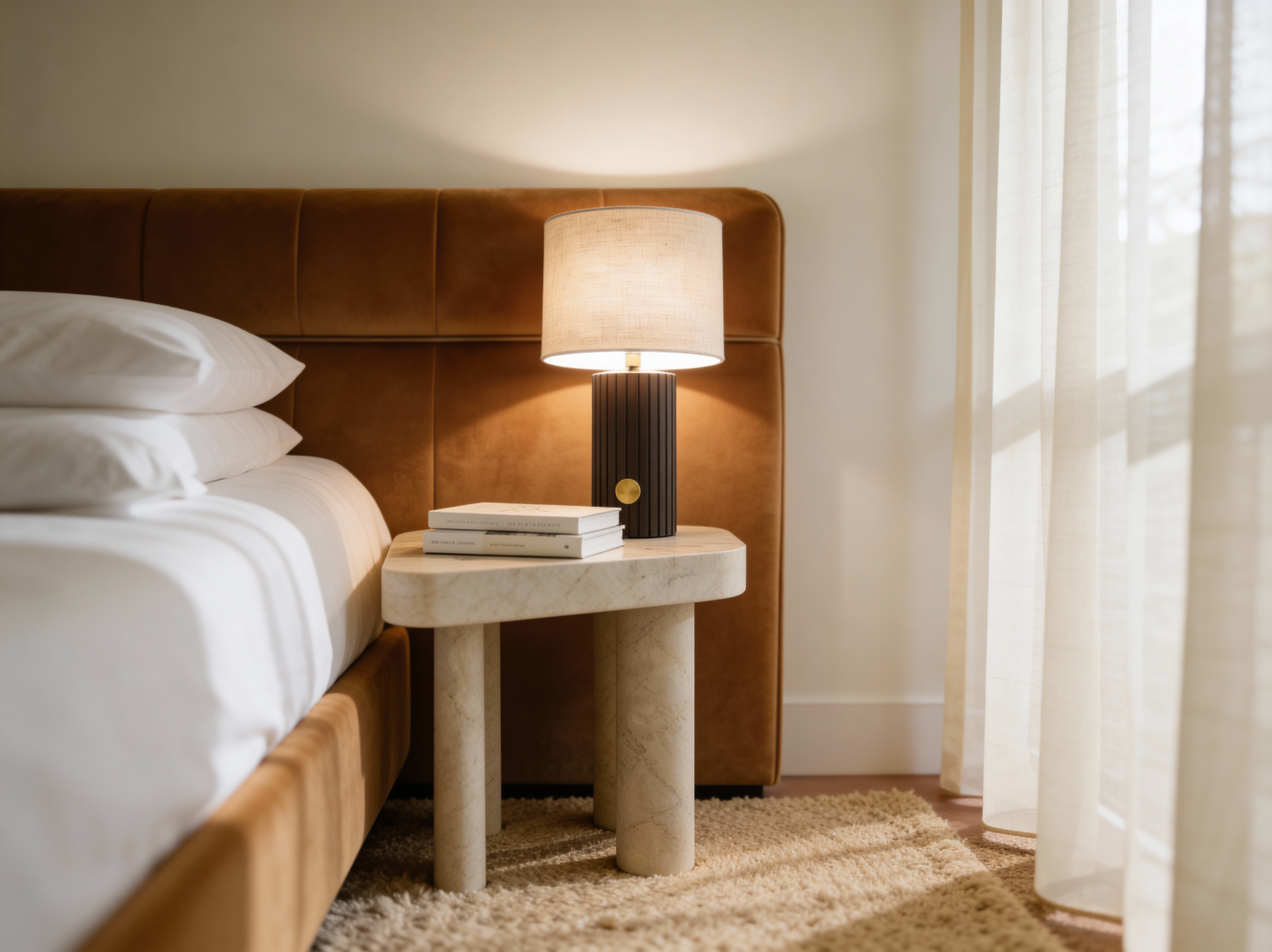
The 2026 bedroom is not just a place to sleep, it is a place to reset. That means harsh ceiling lights are on the way out. People are choosing softer bedside lighting, wall lights that free up space, and warm, dimmable options that do not shock you awake if you flick a switch at night. If you want a future-proof bedroom, plan for two types of light, a soft warm option for evenings, and a brighter option for cleaning, folding washing, or getting ready in winter mornings. Dimmers, smart globes, and separate circuits make this easy.
Dining Room Lighting Trends
In 2026, dining room lighting is shifting away from sharp statement pieces and toward softer, more considered designs that suit everyday living. The dominant trend is warm, sculptural pendants placed centrally over the table, often in natural materials like timber, linen, ceramic, glass, or stone. These fittings provide visual interest without overpowering the space. Dimmable lighting is now essential, allowing the room to transition from functional family meals to relaxed evening dining. There is also a move toward wider, lower-hung pendants that create intimacy, reduce glare, and help define the dining zone within open-plan homes.
Outdoor Lighting: Outdoor living is being treated like an extra room.
Kiwis love outdoor living, and in 2026 we are lighting it like we mean it. Decks, patios, pergolas, and courtyards are being designed as an extension of the lounge. The lighting needs to be functional, weatherproof, and comfortable, not a single glaring floodlight.
The big shift is low glare, warm outdoor lighting, and more of it at lower brightness. Step lights, wall lights, subtle gardenlighting, and well-placed spots to highlight planning are becoming standard. People also want lighting systems that are safer and easier to maintain, and low voltage op ons like 24V garden lighting are a strong fit here, because they are designed to be reliable and scalable for homeowners who want a clean look without drama.
Smart Lighting: The future Kiwi home is smart, but not complicated.
Smart home tech has matured. In 2026, people do not want complicated systems that only one person in the household understands. They want simple control, reliable automation, and the ability to create scenes like “Cooking”, “Movie”, “Dinner”, “Bed me”, without pulling out a manual.
The smart lighting that wins is the kind you forget is smart, it just works. Mo on sensors where it makes sense, like hallways and bathrooms at night. Timers for outdoor lights. Dimming that feels smooth. Controls that still work if your phone is flat. If smart feels like extra effort, people ditch it. If it feels like convenience, it sticks.
Energy Efficient Lighting: Energy awareness is now design awareness.
Power costs matter, but so does comfort. In 2026, the Kiwi home is being designed around efficiency without looking “eco”. LED is a given, but the upgrade is how you use it. Better placement means you need fewer fittings, better control means you waste less power, and better layering means you do not light the whole house to walk to the fridge.
Upgrade Your Home with Quality Lighting Design
Dean’s practical take is that good lighting design is one of the fastest ways to make a home feel new, without ripping out kitchens or bathrooms. It is also one of the easiest upgrades to phase over me, because you can do it room by room.
So, how do you future-proof your home lighting in 2026?
Start with a plan, even a simple one. Walk through your home at night and notice what feels harsh, what feels dim, and where you get annoyed. Then decide what each space needs, function, mood, and flexibility.
Choose warmth for living spaces, consistency across the home, and add dimming where you can. Use task lighting where you actually work. Add accents to create depth, not just brightness. Treat outdoor areas like real rooms, and light for comfort, not security glare. If you go smart, keep it simple, and make sure it works for everyone in the house.
The future of the Kiwi home is not about chasing trends. It is about building spaces that feel calm, look great, and work properly for real life. In 2026, design is getting more human, and lighting is one of the clearest ways to make that shift, because when the light feels right, everything else in the room looks better too.
Lighting Trend Summary: What to do in 2026
- Prioritise layered lighting that combines ambient, task and accent lighting to create mood and functionality throughout the home.
- Choose warm colour temperatures and consistent lighting tones across spaces rather than stark or mismatched whites.
- Make kitchens feel social and integrated with living spaces through balanced pendants and strong task lighting.
- Treat outdoor areas like extra rooms with low-glare, comfortable, weatherproof lighting.
- Keep smart lighting simple with scene control, reliable automation and user-friendly interfaces
2026 Lighting Trend FAQs
What are the trends in lighting?
Lighting trends in 2026 focus on warmth, layered design and long-term comfort. Homes are using a mix of ambient, task and accent lighting rather than single bright sources. Warm colour temperatures dominate living areas, with simple smart controls and energy-efficient lighting supporting everyday use without adding complexity.
What lighting trends should I avoid in 2026 renovations and what should I do instead?
Avoid harsh downlights, cool white lighting in living spaces and mismatched colour temperatures. Instead, plan layered lighting with warm tones, add dimming for flexibility and use task lighting where work happens. Consistent light colour and thoughtful placement will also help to make spaces feel calmer and more considered.
What is the current trend for kitchen lighting?
Kitchen lighting trends focus on creating a social, welcoming space. Decorative pendants remain popular over islands, paired with effective task lighting to properly light benches. Warm materials and balanced light output help kitchens feel connected to living areas while still supporting everyday cooking and entertaining.
What dining room lights should I use in 2026
Dining rooms in 2026 suit warm, dimmable lighting that creates a relaxed atmosphere. Pendants or feature lights over the table provide focus, while dimmers allow mood changes from practical to intimate. Keeping colour temperature consistent with nearby spaces helps the room feel cohesive.