


Bastia 48" DC Fan with Remote White
$369.90
$369.90

$337.45
$449.90Save $112.45
(Inc. GST)
$83.95
$139.90Save $55.95
(Inc. GST)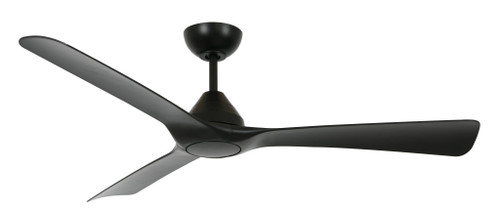

$489.90


$272.95
$389.90Save $116.95
(Inc. GST)
$370.95
$529.90Save $158.95
(Inc. GST)

$449.90

$328.95
$469.90Save $140.95
(Inc. GST)
$599.90


$789.90


$552.95
$789.90Save $236.95
(Inc. GST)
Ceiling fans are one of the most energy-efficient ways to keep a New Zealand home comfortable through summer and winter. A well-sized ceiling fan circulates cool air across a room in warmer months, then reverses to draw warm air down from above in colder ones, supporting your heating system without driving up the power bill. The Lighting Direct NZ ceiling fans range covers every room size, ceiling height, and finish, from compact 36-inch blades for small bedrooms through to 72-inch DC models built for large open-plan lounges and outdoor entertaining areas.
As specialists in lighting and ceiling fans, Lighting Direct NZ stocks a wide selection of AC and DC ceiling fans alongside upgrades such as fan rods, light kits, and fan remote controls. Browse the full collection online with free delivery across New Zealand on orders over $200.
Choose a ceiling fan based on four practical factors: room size, ceiling height, motor type, and blade span. Rooms up to 12 square metres suit a 42-inch model, 12 to 20 square metres suit a 48 to 52-inch model, and spaces over 20 square metres suit a 56 to 72-inch model. DC motors run more quietly, use less power, and offer six or more speed settings compared to the three fixed speeds typically found on AC models.
Ceiling height also matters. Fan blades must sit at least 2.1 metres above the floor for safe and effective airflow. Standard 2.4-metre ceilings work with a flush-mount or close-to-ceiling fan, ceilings around 2.7 metres deliver ideal clearance with a standard mount, and ceilings of 3.0 metres or higher should be fitted with a 910mm extension rod to bring the blades into the optimal operating zone.
The key decision factors at a glance:
Lighting Direct NZ stocks two main motor types across the ceiling fan range: AC and DC. An AC ceiling fan uses a traditional alternating current motor and remains a reliable, lower-cost choice for occasional summer use or rental properties. A DC ceiling fan uses a direct current motor that runs more quietly, draws up to 70 percent less energy than a comparable AC model, and offers finer airflow control through six or more speed settings.
Style options across the collection include classic white blades, natural and stained timber finishes such as teak, brushed chrome, and matte black for modern interiors. The Fanaway range takes a different approach with retractable blades that fold neatly into the light fitting when the unit is switched off, making it a good fit for rooms where the blades should stay out of sight when not in use.
Blade count is a common question, but motor quality and blade pitch matter more than the number of blades alone. A well-engineered three-blade DC fan often outperforms a poorly designed four-blade model. Three-blade fans suit modern, minimalist interiors, while four-blade fans give a fuller, more traditional appearance.
Common ceiling fan types include:
A ceiling fan suits almost every room in a New Zealand home, including bedrooms, lounges, kitchens, hallways, and outdoor entertaining areas. Match the blade span to the room dimensions, then check whether the space needs an indoor model or an outdoor-rated one. Rooms with high humidity or salt exposure, such as covered alfresco areas in coastal Auckland or Northland, require a ceiling fan with a damp or wet rating.
In larger open-plan lounges, two correctly sized ceiling fans positioned over the main living and dining zones often perform better than one oversized fan installed in the centre. Balanced airflow across a wide space is more important than maximum blade span at a single point.
Ceiling fan accessories let you adapt a fan to your specific ceiling height, lighting needs, and control preferences. The Lighting Direct NZ range includes fan rods for high and pitched ceilings, light kits that add integrated lighting, and fan remote controls for hands-free operation. Each accessory must be matched to a specific fan model, so check compatibility before placing an order.
Common ceiling fan upgrades include:
Regular cleaning keeps a ceiling fan running smoothly. A soft cloth wipe across the blades every few weeks prevents dust buildup, which can cause imbalance and reduce airflow over time.
Installation must be carried out by a licensed electrician in accordance with New Zealand wiring regulations.
A ceiling fan works by rotating angled blades to move air across a room. The moving air creates a wind-chill effect on the skin, which makes the space feel cooler without changing the actual temperature shown on a thermometer. In reverse mode at a low speed during winter, the blades push warm air collected at the ceiling back down into the living zone, supporting your heating rather than competing with it. Read our Ceiling Fan Guide for more details.
Ceiling fans cool people, not rooms. They do not lower the actual air temperature; they create airflow that helps moisture evaporate from the skin, which can feel several degrees cooler than the thermometer reads. For this reason, a ceiling fan only delivers a noticeable cooling effect when someone is in the space, so switching it off in empty rooms is a simple way to save power.
In summer, a ceiling fan should rotate anti-clockwise when viewed from below. This pushes air downward and creates a cooling breeze across the people in the room. In winter, switch the fan to its reverse setting at a low speed so the blades rotate clockwise and gently redistribute warm air that has collected near the ceiling, without creating a noticeable draught.
Yes. Ceiling fan installation must be carried out by a licensed electrician in accordance with New Zealand wiring regulations. Hardwiring a ceiling fan involves working with mains power and confirming that the ceiling structure can support the unit's weight, both of which are regulated electrical tasks in New Zealand. A qualified electrician will also fit any required extension rod and connect a remote receiver or wall controller correctly.
Match ceiling fan size to room area. Rooms up to 12 square metres suit a 42-inch blade span, 12 to 20 square metres suit a 48 to 52-inch span, and spaces over 20 square metres suit a 56 to 72-inch span. Open-plan lounges over 40 square metres often perform better with two medium ceiling fans positioned over the main living zones rather than one very large unit installed in the centre.
Blade count alone does not determine ceiling fan performance. Motor quality, blade pitch, and blade length have a far greater impact on airflow than the number of blades. A well-designed three-blade DC ceiling fan can outperform a poorly designed four-blade model. Three-blade fans tend to suit modern, minimalist interiors, while four-blade fans deliver a fuller, more traditional appearance.
DC ceiling fans use up to 70 percent less energy than AC ceiling fans, run more quietly, and offer six or more speed settings, which makes them well suited to year-round use in main bedrooms and living rooms. AC ceiling fans cost less upfront and remain a reliable choice for occasional summer use or rental properties where lower initial spend matters more than long-term running costs. For a daily-use ceiling fan in a high-occupancy room, the long-term power savings of a DC motor usually justify the higher initial price. Read our dedicated blog covering AC vs DC Ceiling Fans.
A modern DC ceiling fan typically draws between 5 and 35 watts depending on speed, while an AC ceiling fan typically draws between 50 and 100 watts. Running a DC ceiling fan on medium for eight hours costs only a few cents at standard New Zealand power rates, which is significantly cheaper than running an air conditioner or a heat pump for the same period. Choosing a DC model is the most reliable way to keep ceiling fan running costs low across the year.